
The Cairngorms National Park in Scotland, is set to become the UK’s first net zero national park, thanks to a substantial £10.7 million grant from the National Lottery Heritage Fund.
This ambitious initiative, dubbed the Cairngorms 2030 project, aims to transform the park into a beacon of sustainability and conservation.
Spanning across the Highlands, Aberdeenshire, Moray, Perthshire, and Angus, the Cairngorms is the largest national park in the UK and is celebrated for its raw natural beauty.
Nearly half of the land in the park is considered ‘wild’ and it’s home to one third of the UK’s peaks over 600 metres.
The CNPA (Cairngorms National Park Authority) has outlined a comprehensive plan for the money, that includes the creation of over 2,470 acres of new woodland and the restoration of 16,061 acres of peatland, both critical steps in increasing the park’s capacity to absorb carbon dioxide.
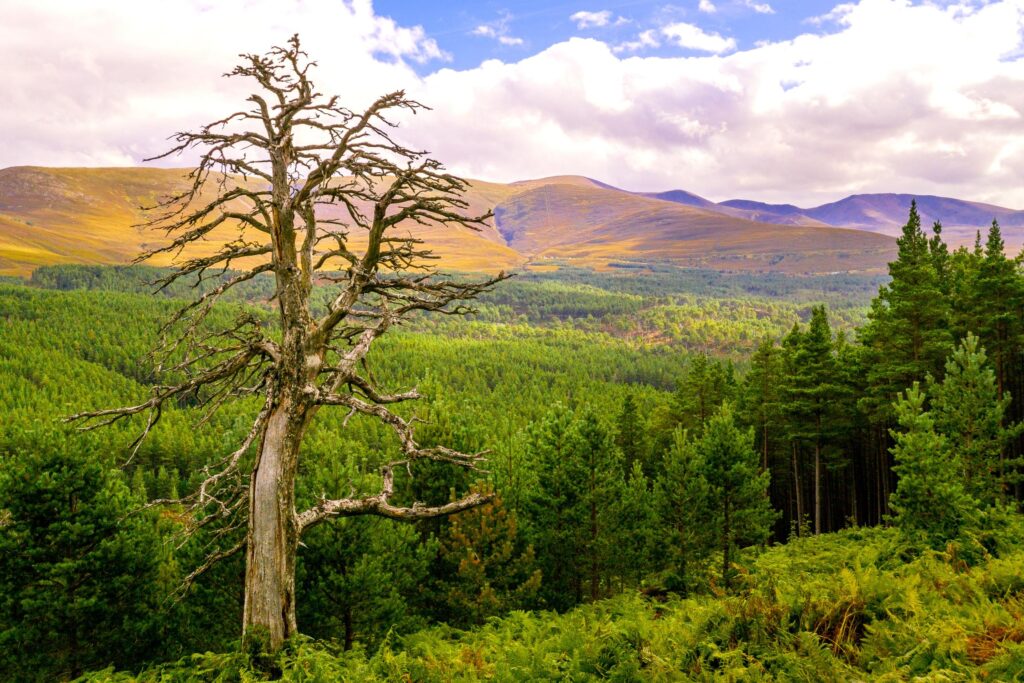
Image credit: Michael Jagla via Getty Images.
First Minister Humza Yousaf, during a visit to the area, highlighted the national significance of the project:
“Scotland’s national parks are more important than ever in helping us tackle the biodiversity and climate crises – and strengthening our rural communities” he remarked.
As part of the project, the park’s infrastructure will be enhanced by improving walking and cycling routes, to encourage eco-friendly modes of transportation.
The initiative also includes the promotion of nature-friendly farming practices, aiming to reduce emissions and align agricultural activities with environmental conservation goals.
Despite the project’s ambitious environmental objectives, it has not been without its critics.
Some local farmers and crofters have expressed concerns, claiming that their voices have been overlooked in the planning of certain conservation measures.
The tension highlights the challenges of balancing conservation efforts with the needs and livelihoods of local communities.
The CNPA’s vision extends beyond environmental restoration; it also aims to foster a deeper connection between people and nature.
Plans for an outdoor dementia activity resource centre and collaborations with the NHS to highlight the benefits of natural environments are part of the broader strategy to integrate conservation with community health and wellbeing.
With a target to secure over £42 million in funding over the next five years, the Cairngorms 2030 project is part of a larger, 20-year vision to rejuvenate the park’s habitats and ecosystems.
Sandy Bremner, the convener of CNPA, emphasised the project’s holistic approach, stating that it would empower local communities to address the dual crises of nature and climate, while also enhancing sustainable transport solutions and promoting health and wellbeing.
As the project unfolds, the Cairngorms National Park is poised to set a precedent for conservation and sustainability, not just within the UK but as a model for national parks worldwide.