
After five years of exploring, Anna reveals some of East Dorset’s lesser-known corners – quiet trails, hidden nature spots and forgotten places where you’re more likely to hear birdsong than voices. A mix of wild landscapes, history and low-key adventure, it’s a reminder that the best discoveries often sit just off the main path.
The dramatic Jurassic coast, quintessential seaside towns, sandy beaches and century old historical monuments are characteristic of East Dorset. As a photographer, conservationist and outdoor enthusiast, I have had the privilege of exploring and working in some of the most beautiful and hidden spots in East Dorset. Having moved here five years ago, I have fallen in love with this area of the county which is blessed with some of the best weather in England and some of the rarest habitats in Europe.
In the Summer, visitors often head straight to the crowded beaches and tourist attractions around the coast. However, popular visitor spots quickly become crammed while other wonderful spots in the county are bypassed.
If you are like me and prefer somewhere peaceful, away from the crowds and close to nature, here are my top 10 off-the-beaten-track locations around East Dorset to explore instead.
1. Milton Abbas
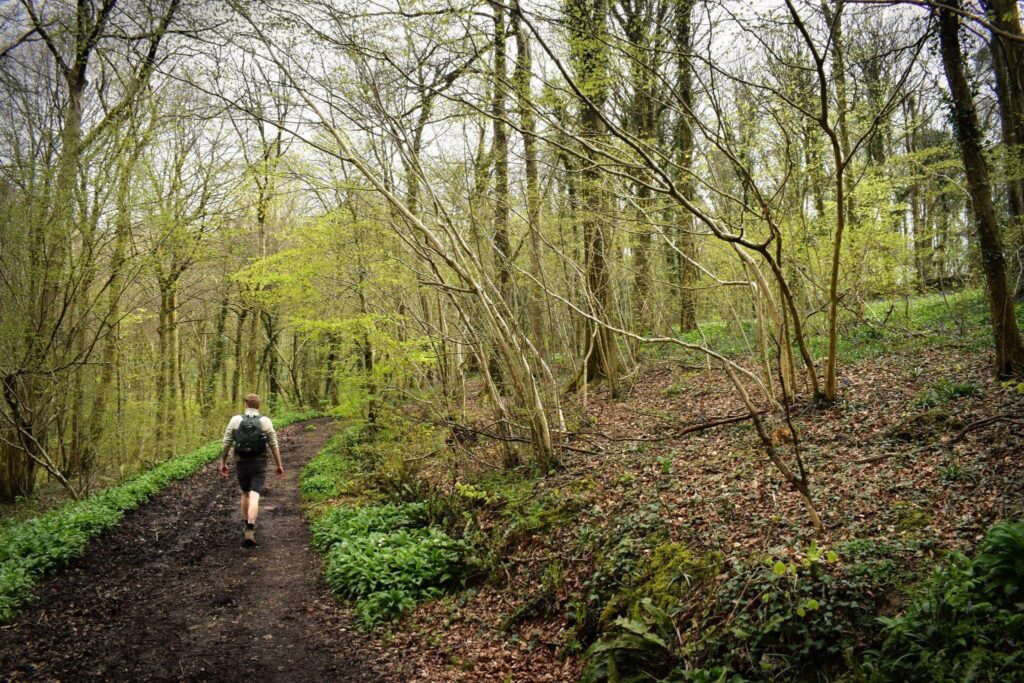
At the top of the list is Milton Abbas, my favourite off-the-beaten-track place for walkers seeking nature, history and a quiet getaway. Hidden among the hills of Dorset, this sleepy village transports visitors back in time.
Most people know Milton Abbas for the iconic thatched cottages lining the central street. Explore further and you will find numerous trails that take walkers through ancient woodland, filled with songbirds and carpeted with wild garlic and bluebells in the spring.
Climb the hill towards St Catherine’s Chapel to reach a stunning view of Milton Abbey sitting within the grounds of a large private school.
Down the hill from the village, a beautiful river walk leads to the Abbey, which is free to enter during daylight hours.
2. Happy Bottom Nature Reserve
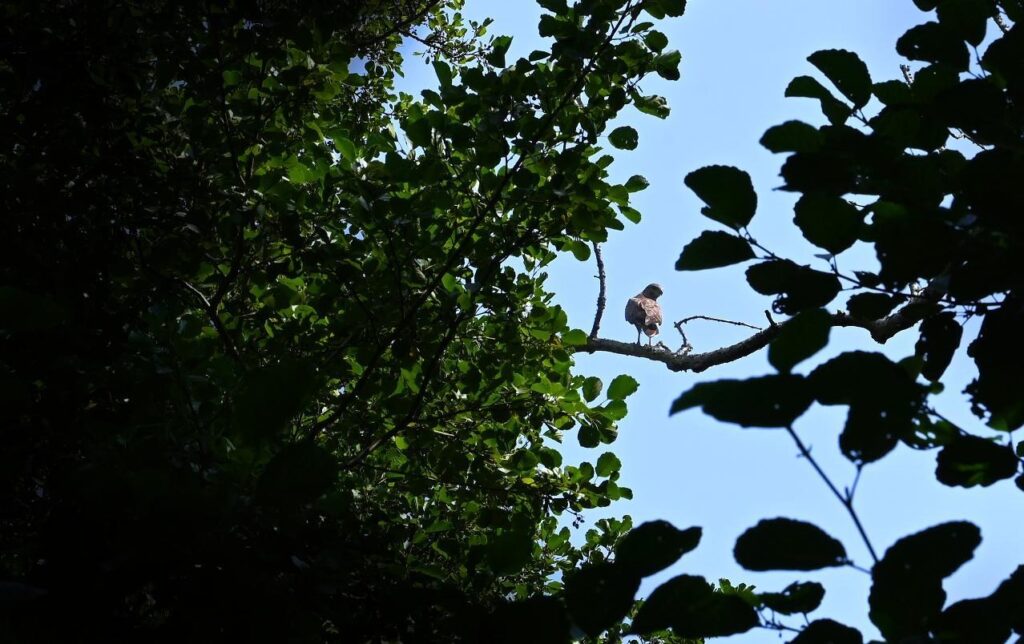
Dorset is full of places that have unusual names. Happy Bottom is certainly one of them. Managed by the Dorset Wildlife Trust, this stunning nature reserve is an absolute gem bursting with wildlife.
A peaceful and undiscovered nature reserve, I am often treated to sightings of buzzards, butterflies and wildflowers, to name just a few.
Start at the main car park and follow a walking trail to the right that leads through an open meadow towards an orchard, historic barn and woodland. Make sure to watch out for grazing livestock and to respect the request to keep dogs on leads.
3. Knowlton Church – Cranbourne Chase Dark Skies Nature Reserve
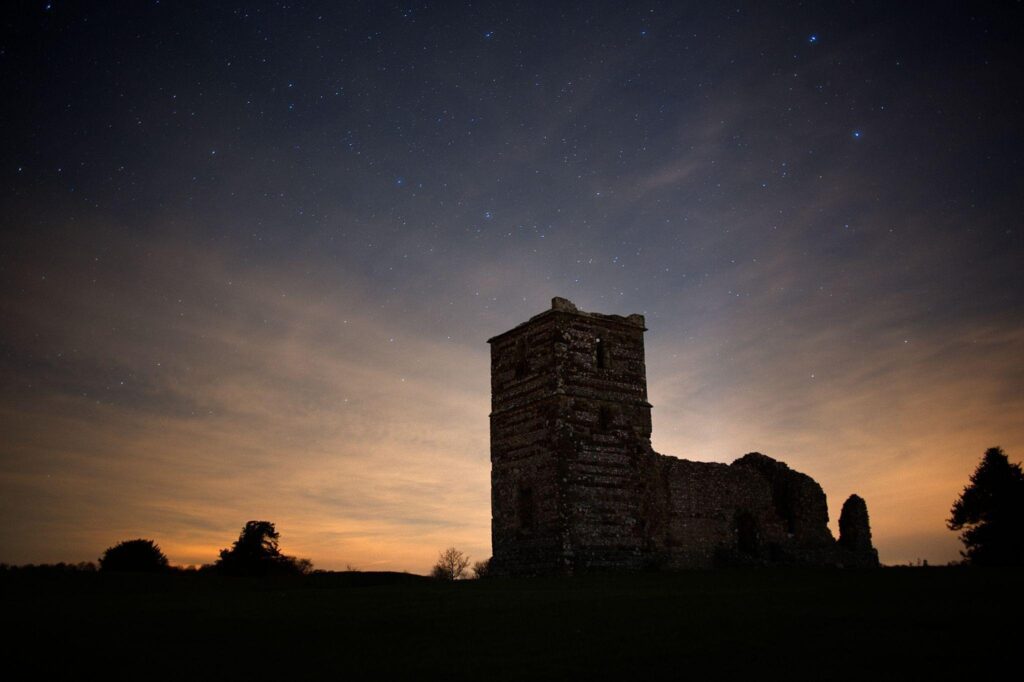
An unusual combination of a Norman church placed on top of a Neolithic ritual henge earthwork, this site is shrouded with mystery and ghost stories.
Dating back to the 12th century, the ruin is now managed by English Heritage and thought to be part of a network of several earthworks in the area.
Situated in Cranbourne Chase, a designated dark skies area, Knowlton Church is the perfect location for viewing and photographing starry skies. Be prepared for wonderful views as well as the potential of bumping into ghost hunters in the dark as I found out while photographing there one evening!
4. Tyneham

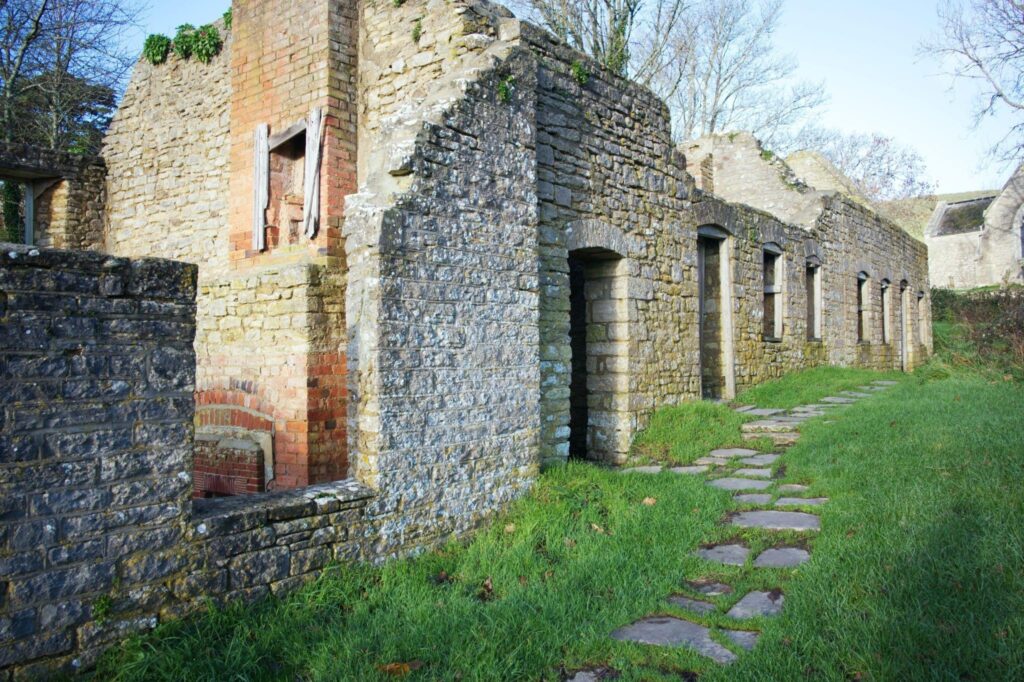
A village lost and abandoned, Tyneham has been uninhabited since 1943 when villagers were forced to abandon their way of life during World War II. The area was taken over for military training and the residents were never permitted to live there again.
While there is a small parking fee, the village is free to walk around and explore.
As a first-time visitor, this place truly captivated my imagination. Amongst many interesting exhibits, there is an old phone box, a church and school with information boards explaining more about the people who once lived there and their way of life.
Inside the school, the pupils’ names remain on their coat hangers, an old piano sits in a corner with the music still propped up ready to play, and books with shotgun holes that were used for target practice are laid out on the desks.
From Tyneham, I ventured outside of the village and found many walks along the beautiful Purbeck cliffs with stunning views across the coast as well as the odd military tank dotted around the landscape!
As Tyneham is situated on MOD land, it is only accessible at certain times so you should look this up before you go.
5. Owler Quay
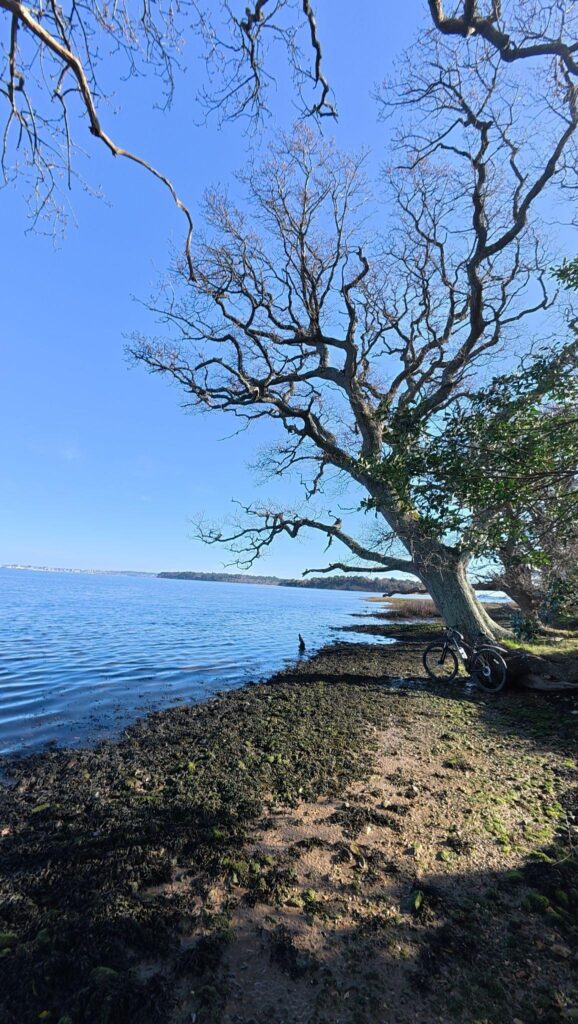
Looking for a walk with a quiet stop for a picnic or chill out? On one of my favourite cycling routes that follows a loop of Poole Harbour, I discovered a public footpath that sends adventurers on a detour through farmland to a gem only accessible to those who are willing to bash through brambles: Owler Bay. The almost inaccessible feeling adds to the remoteness of this location.
Once there, take time to enjoy the views across Poole Harbour, the largest natural harbour in the world.
In the peace and quiet, a range of coastal bird calls pierce through the ocean air. I love sitting here and soaking up the moment.
6. Wareham Forest
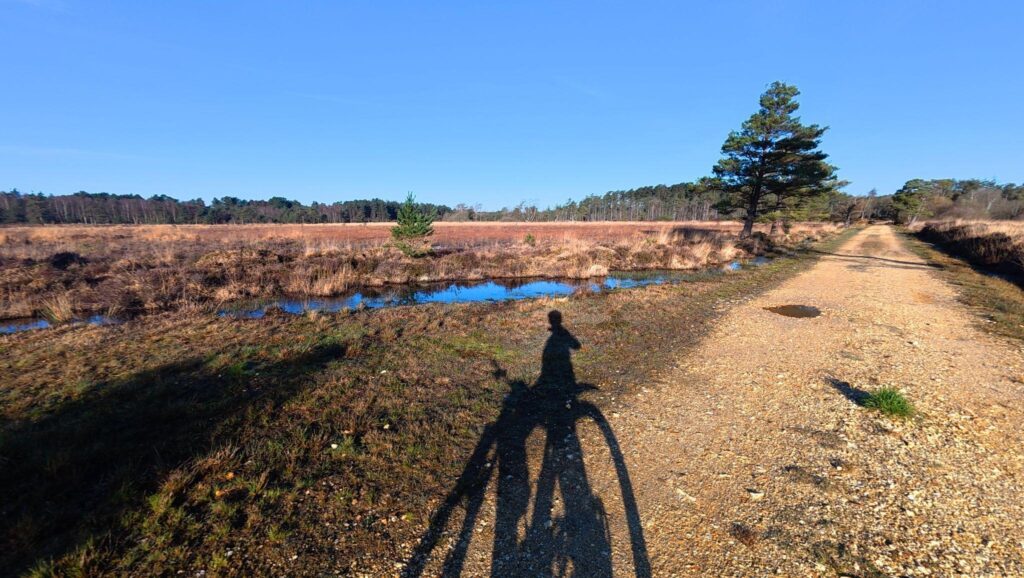
With sand lizards basking on the side of the path, Dartford warblers, birds of prey, dragonflies and deer, Wareham Forest has a true sense of being off-the-beaten-track.
A range of walking and cycling trails will take you on a journey through heathland habitats, bogs, open grassland and peaceful woodland. Choose one of the marked trails such as the Sika Trail or follow your own path to ‘get away from it all’.
With so much to explore in such a small area, every turn seems to offer a new view. From shady conifer woodland which could be Northern Europe, to open acid grassland that resembles the African savannah, I often wonder if I am still in the UK.
Wareham Forest offers endless cycling and walking trails for those seeking an escape into nature.
7. Horton Tower
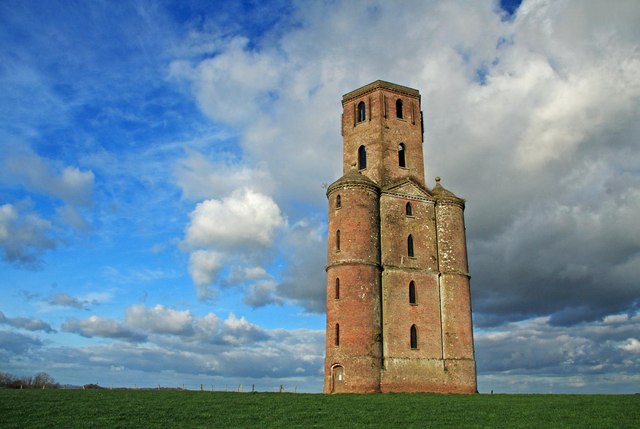
Image credit: Simon Barnes via Wikimedia Commons.
Also known as “Strut’s Folly”, Horton Tower stands boldly in the middle of a field near Wimborne. Built for decoration in the 1700s, it’s said that this folly was built for either stargazing or as a hunting lookout for its once-wealthy landowner.
Nowadays, the tower has found a more modern use as a home for mobile phone masts. Although it is not possible to enter as it is fenced off, the adjacent path gives good views of the tower.
Continue along the path through the fields and you will also find a lovely woodland to walk through and explore.
8. Studland Heathland and Dunes
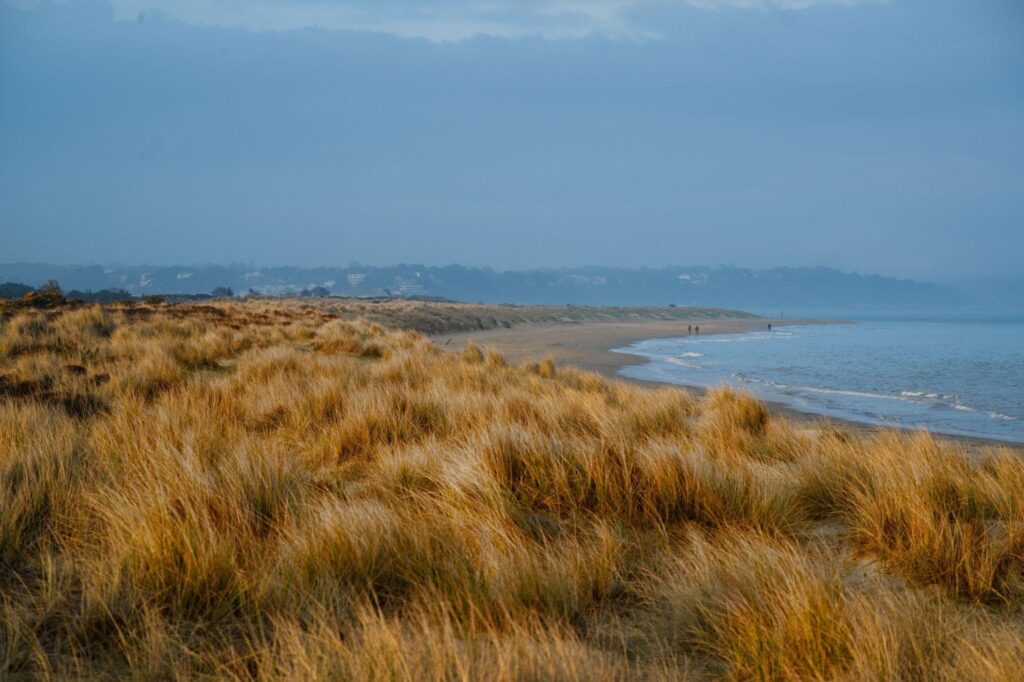
During the summer, Studland beaches, managed by the National Trust, are some of the most popular with their shimmering blue waters and long, golden, sandy beaches. However, this area is also home to some of the rarest habitats in the world: heathland.
Home to all six reptile species, rare heath tiger beetles and nightjars, the heath, dunes and a small patch of wet woodland are often missed by sunseekers who stay confined to the beach.
In the summer, visit early or late to catch the best glimpses of some of the local wildlife and to avoid the heat in this exposed landscape. Winter is equally stunning with views of the heath in the golden sunlight and thick mist.
I honestly never get bored of visiting Studland heathland and always see something new.
9. Stanpit Marsh

Often missed by tourists heading to the main beaches of Bournemouth, Christchurch and Poole (BCP), Stanpit Marsh is a hidden gem. Visit winter or summer and you are guaranteed to see a wide range of bird species, ponies grazing peacefully, and beautiful views over Christchurch.
The free visitor centre is well worth a visit, with information on wildlife sightings and a large table of various skulls and natural curiosities that have been collected from around the area, perfect for satisfying inquisitive adults and children alike.
For those staying within the BCP area and not wanting to travel too far, Stanpit Marsh is a great nature escape.
10. Throop Mill and the River Stour

This is one of my favourite spots to see and photograph local wildlife, thanks to the ease of access to river views and endless walks through the countryside. Standing as a testament to time, Throop Mill, built in the 11th century, is a mysterious yet derelict feature in this landscape.
Despite the surrounding, sprawling and bustling BCP urban area just down the road, Throop village has maintained most of its quintessential character.
From the car park at Throop Mill, follow the bridge over the weir and enjoy seeing birds of prey, herons and kingfishers along the River Stour. Look out for dragonflies in the summer and fish in the clear waters.
Recently, BCP has opened up a new area known as the Stour Valley Water Meadows which offers further views and walks along the Stour.
For those who love plane spotting, you will also see plenty of aeroplanes flying over from Bournemouth airport just a few miles away.
Final Thoughts
I have loved exploring the hidden nooks and crannies of East Dorset over the past five years of living here. Bursting with wildlife, this part of Dorset is home to so many special habitats and species and it is a privilege to explore them, capture their beauty as a photographer and even work in some of them as a conservationist.
My hope is that people learn to love these places and special habitats more and more so that they are given the protection they deserve.
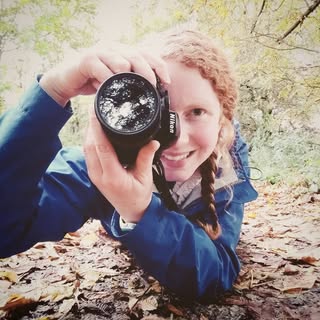
Author: Anna Kenny
Anna is a photographer, conservationist and outdoor enthusiast who has founded One Planet Wonder. Through creative imagery, she aims to reconnect people with nature and encourage others to explore, value and protect nature.