
If you needed another reason to be excited about the future of the British landscape, the government has just handed us a big one. In a landmark announcement this month, plans have been confirmed for the creation of major new National Forests in England, backed by a staggering £1 billion investment package for tree planting and nature recovery.
For outdoor enthusiasts, hikers, and wildlife watchers, this is arguably the most significant update to our “green infrastructure” since the expansion of the King Charles III England Coast Path.
Here is everything you need to know about the new woodlands set to change the map of England.
The “Ox-Cam” Forest: A New Green Lung
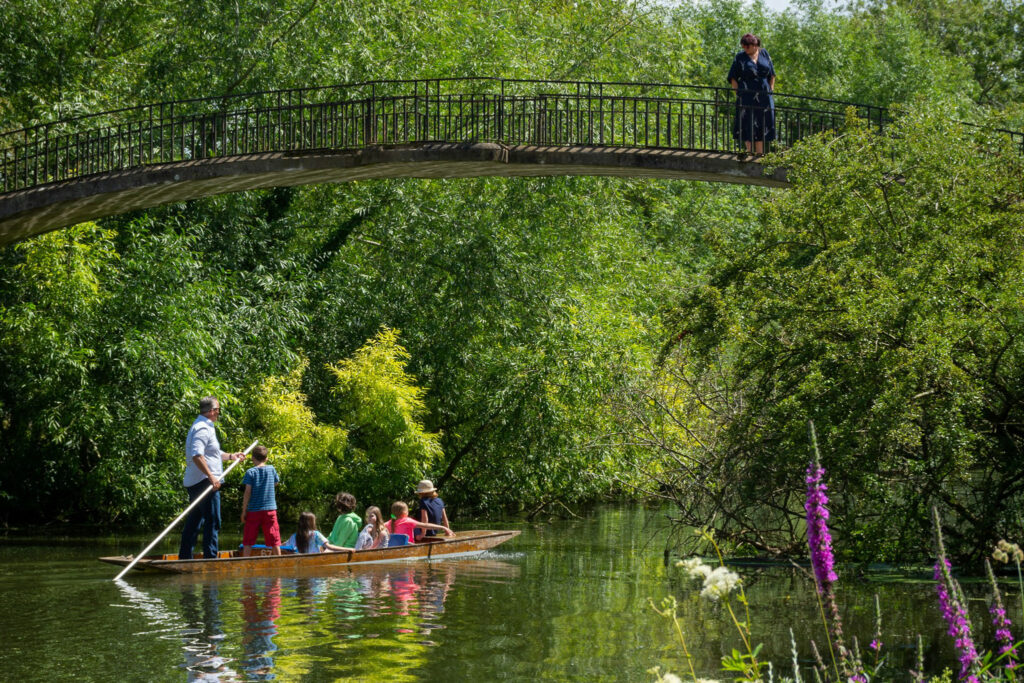
Image credit: Noel Broda via Unsplash.
The headline news from the Department for Environment, Food & Rural Affairs (Defra) on November 5 was the official confirmation of a second new National Forest. This vast new wooded landscape will be established in the Oxford-Cambridge corridor.
For years, this belt of the country has been the focus of intense housing and infrastructure development. The decision to designate a National Forest here is a deliberate move to ensure that “nature recovery” is embedded alongside economic growth.
For the adventure traveller, this promises to transform a region often overlooked for outdoor pursuits into a new hub for biodiversity.
The vision isn’t just a few scattered copses; we are talking about a connected landscape designed to bring trees closer to where people live, creating accessible green spaces that will eventually host new trails, cycle routes, and wildlife habitats.
That’ll add at least one more day trip opportunity from Cambridge, if you live there.
The Western Forest: Connecting the Cotswolds to the Mendips
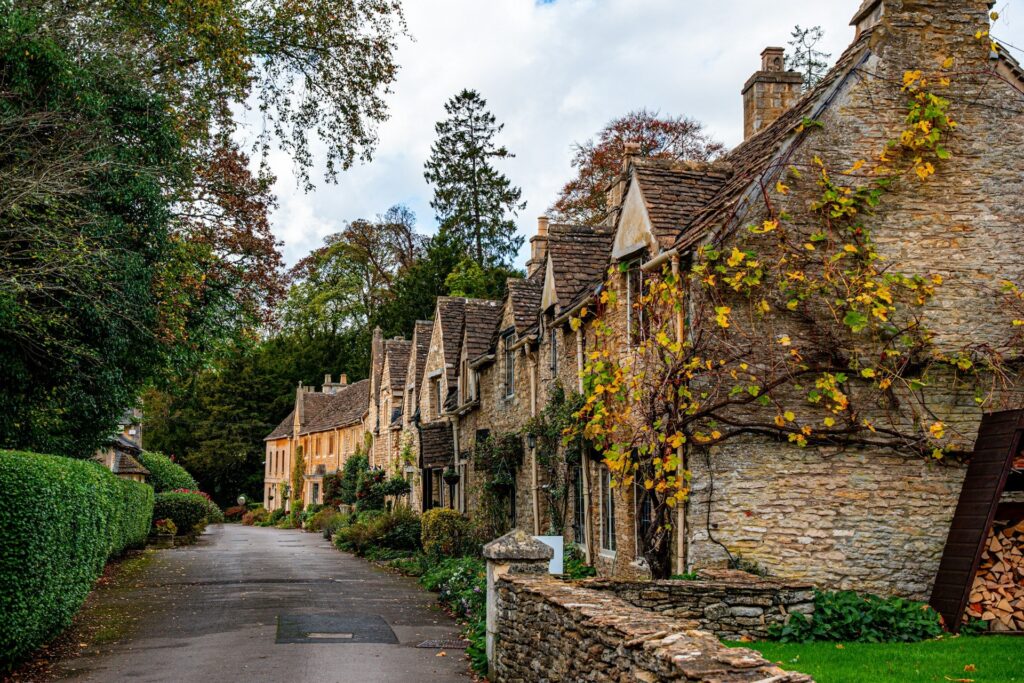
Image credit: George Ciobra via Unsplash.
While the “Ox-Cam” forest is the fresh headline, the government also provided updates on the Western Forest. Originally announced earlier this year, this project is the first new National Forest to be created in the UK in over 30 years.
The Western Forest is particularly exciting for the Adventure Brits community because of its location. It is set to stretch from the Cotswolds to the Mendips, effectively bridging two of England’s most beloved Areas of Outstanding Natural Beauty (AONBs).
Imagine a future long-distance trail that takes you from the honey-coloured stone villages of the Cotswolds, through a continuous corridor of ancient and new woodland, right down to the dramatic gorges of the Mendips.
It creates a “wildlife superhighway” that will likely become a prime destination for ramblers and gravel bikers in the coming decades.
The “Third Forest”: A Competition for the North
Image credit: JOGsplash via Unsplash.
Perhaps the most intriguing part of the announcement is what comes next.
The government has confirmed a manifesto commitment to create three new National Forests in total. With the Western and Ox-Cam forests spoken for, where will number three go?
A competition is set to launch in early 2026 to determine the location of the third forest, with the government explicitly looking at the Midlands or the North of England. This effectively kicks off a bidding war for green investment.
Will we see a new forest linking the Peak District to the cities of the Midlands? Or perhaps a major reforestation project in Yorkshire to support the recovery of post-industrial landscapes?
We expect fierce campaigning from local outdoor groups and councils, and we will be watching closely to see which region wins the crown.
Why This Matters for Us
Beyond the nice headlines, the scale of the investment — over £1 billion allocated this parliament — signals a shift in how we view our outdoors. Environment Secretary Emma Reynolds described the woodlands as vital for “regulating our climate, supporting wildlife and increasing access to nature for us all.“
The project is also tipped to create up to 14,000 green jobs, from forestry management to eco-tourism roles.
For us at Adventure Brits, the key word is access. A National Forest isn’t a closed reserve; it is a recreational resource for all.
As these millions of trees go into the ground over the next few years, they lay the foundation for the future of British adventure — new routes to run, new canopies to camp under, and new spaces to breathe.
What do you think? If you had a vote for the third National Forest in 2026, where would you put it? The wilder uplands of the North, or the heart of the Midlands? Let us know in the comments or on our socials @adventurebrits.