
In an effort to protect seabird populations and address the overfishing crisis, the UK’s sand eel fishing ban has sparked a formal dispute with the European Union. With hearings set to commence this week at the Permanent Court of Arbitration in The Hague, the outcome could have far-reaching implications for both conservation and international trade.
A Ban with Environmental Intentions
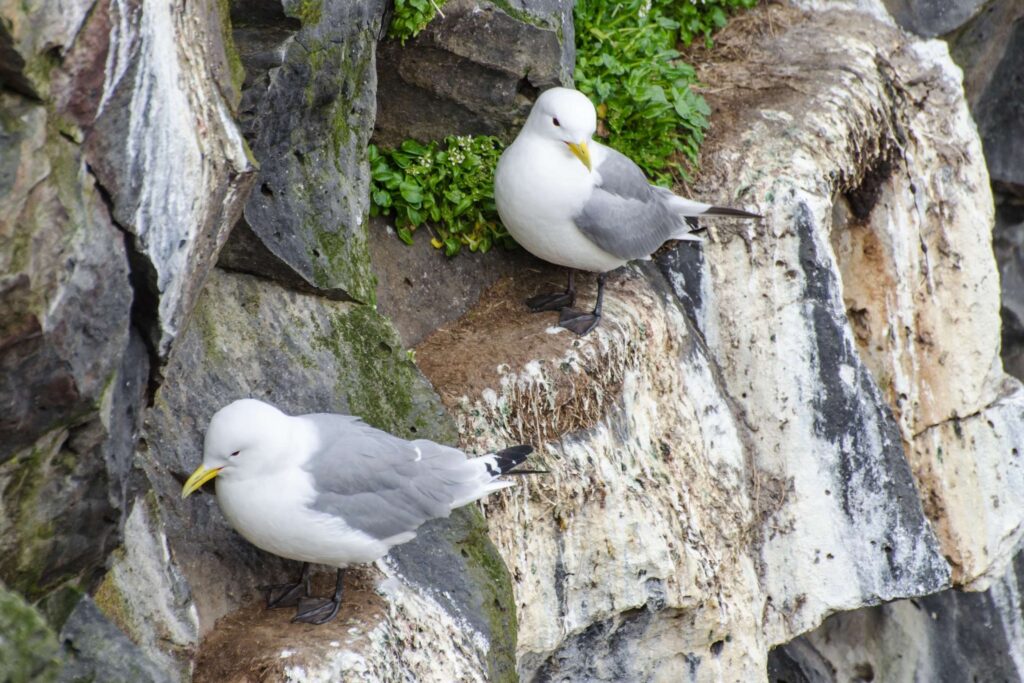
On 26 March 2024, the UK introduced a ban on sand eel fishing in English and Scottish waters. The decision, supported by the UK government’s precautionary approach to fisheries management, aims to protect seabird populations that rely heavily on sand eels for food.
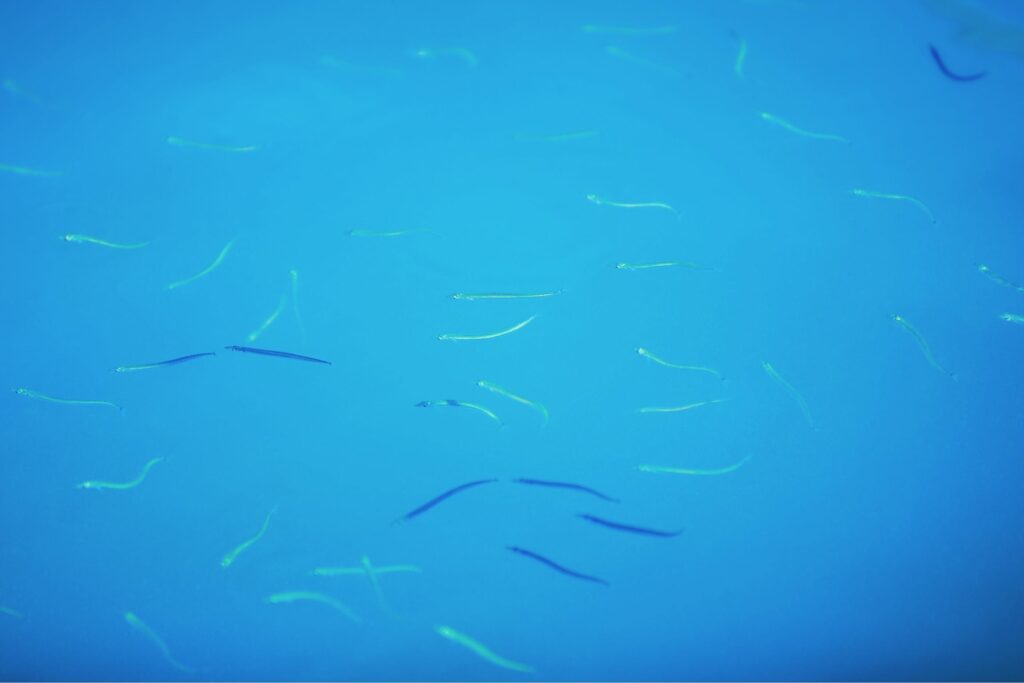
Sand eels (also known as sand lance) are small, elongated, burrowing fish that inhabit sandy seabeds in coastal waters. Despite their name, they’re not true eels but small, slender fish that belong to the Ammodytidae family.
Species such as puffins and kittiwakes, already under threat due to habitat loss and climate change, have seen declines linked to overfishing of these small, nutrient-rich fish.
Larger fish such as cod and haddock also depend heavily on sand eels in their diet. Overfishing eels not only disrupts ecosystems but also threatens the viability of commercial fisheries that depend on larger predatory fish.
Conservationists welcomed the move. The State of Nature 2023 report highlighted that seabird populations in the UK have dropped significantly over recent decades, with some colonies facing declines of up to 70%. Overfishing of sand eels exacerbates this crisis, depriving seabirds of a critical food source during breeding seasons.
Research from the Centre for Environment, Fisheries, and Aquaculture Science (Cefas) also supports the precautionary approach. Their studies show that reducing sand eel exploitation can allow populations to recover, providing cascading benefits for the marine ecosystem.
The EU’s Response
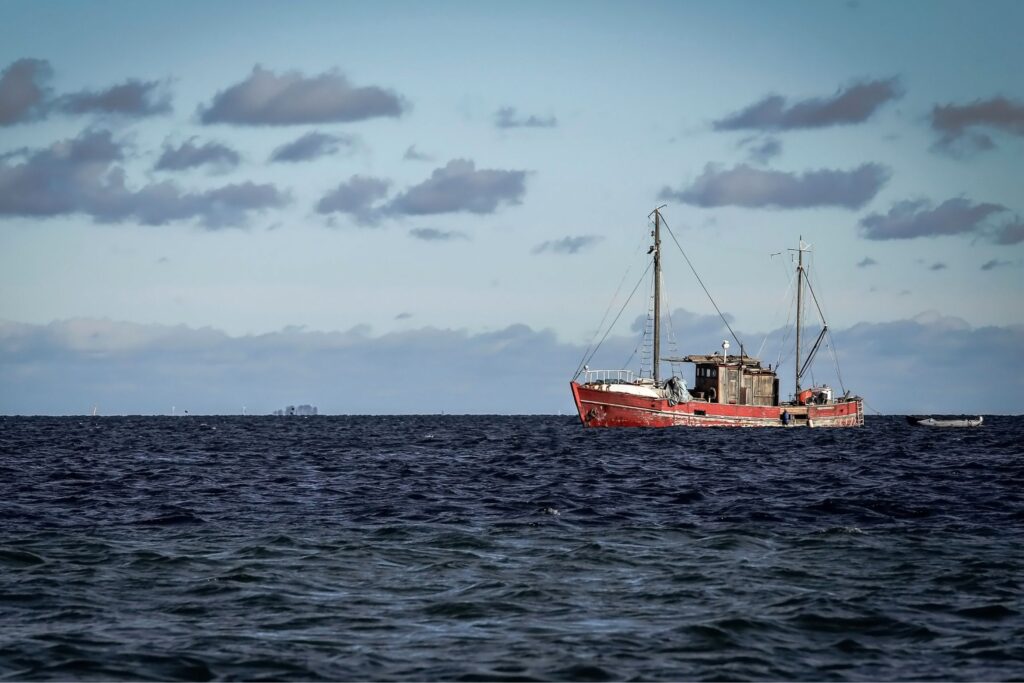
While the ban has garnered praise from environmental groups, it has drawn criticism from the European Union, particularly Denmark, whose fishing industry is heavily reliant on sand eel catches.
The EU claims the ban violates the Trade and Cooperation Agreement (TCA), alleging that it unfairly restricts access to UK waters and discriminates against EU fishing vessels.
After initial consultations in April 2024 failed to resolve the matter, the EU escalated the dispute by requesting an arbitration tribunal under the TCA’s dispute settlement mechanism. The tribunal, established in November 2024, is set to hear the case at The Hague from 28 to 30 January 2025.
The EU argues that the ban lacks sufficient scientific justification and disproportionately affects Danish fishers, who historically account for 80% of sand eel landings in the North Sea.
For Denmark, the issue is not merely environmental – it’s also economic. The country’s sand eel fishery is a major supplier of fishmeal and fish oil, essential components in aquaculture and agriculture feed industries.
Conservation vs. Trade: A Complex Balance
This case highlights the tension between environmental conservation and trade agreements in a post-Brexit landscape. The UK government has defended the ban as being based on the “best available science” and aligned with international commitments to sustainable fisheries.
The dispute is further complicated by the EU’s stance on biodiversity protection.
The bloc has its own conservation measures but is now challenging the UK’s ability to act unilaterally within its Exclusive Economic Zone (EEZ), which extends 200 nautical miles from the country’s coastline, established under the United Nations Convention on the Law of the Sea.
The EU, while challenging the ban, has its own ambitious conservation targets. Under the EU Biodiversity Strategy for 2030, the bloc has committed to legally protecting 30% of its land and sea by 2030.
Whilst the goal is laudable, it reveals an inconsistency when weighed against actions like challenging a ban that seeks to protect marine biodiversity. The EU’s stance risks undermining its credibility as a leader in environmental policy.
Katie-jo Luxton, Director of Conservation at the RSPB, commented on this irony: “The EU’s decision flies in the face of its commitment to protect and restore marine ecosystems. It is a scandalous attempt to reverse a hard-won victory for under-pressure seabirds“.
Environmentalists warn that overturning the ban could set a dangerous precedent, weakening the UK’s capacity to enforce future conservation measures. A decision favouring the EU may constrain similar conservation efforts, while a ruling in favour of the UK could affirm its sovereign right to enforce stricter environmental safeguards.
What’s Next for the Ban?
The outcome of the arbitration tribunal will be closely watched, not only for its implications on the UK-EU trade relationship but also for the future of marine conservation policies.
A ruling is expected later in 2025, and it could shape how shared natural resources are managed in the North Sea and beyond.
Meanwhile, conservation groups continue to advocate for the ban, including Danish wildlife charities, urging policymakers to prioritise biodiversity over short-term economic gains. The Royal Society for the Protection of Birds (RSPB) which released a joint statement with several other NGOs across Europe, has called the ban a “necessary step” in reversing seabird declines.
Ultimately, the dispute raises a larger question: can global conservation goals like protecting 30% of the world’s ecosystems by 2030 truly succeed if trade disputes consistently take precedence? The UK’s ban serves as a test of whether environmental action can withstand the pressures of international trade, even among nations with shared sustainability ambitions.
Stay tuned for more information on the ruling outcome later this year.