
New research by Friends of the Earth reveals that more than a quarter of England’s neighbourhoods are plagued by pollution levels that are severely damaging to wildlife, marking a growing environmental crisis across the country.
In a report by Friends of the Earth, 9,062 out of 32,844 neighbourhoods in council areas in England—accounting for 27.5% of the country— have been categorised as “nature pollution hotspots.” These hotspots are areas where air, water, noise, and light pollution collectively exceed levels that are harmful to local ecosystems.
Chelsea and Fulham topped the list as the parliamentary constituency with the highest concentration of these pollution hotspots, followed closely by Salford, Worsley and Eccles, Vauxhall and Camberwell, and Battersea.
Whilst most are located in the Borough of London, these findings underscore the widespread and severe nature of pollution endangering wildlife and their natural habitats.
A Growing Threat to Wildlife
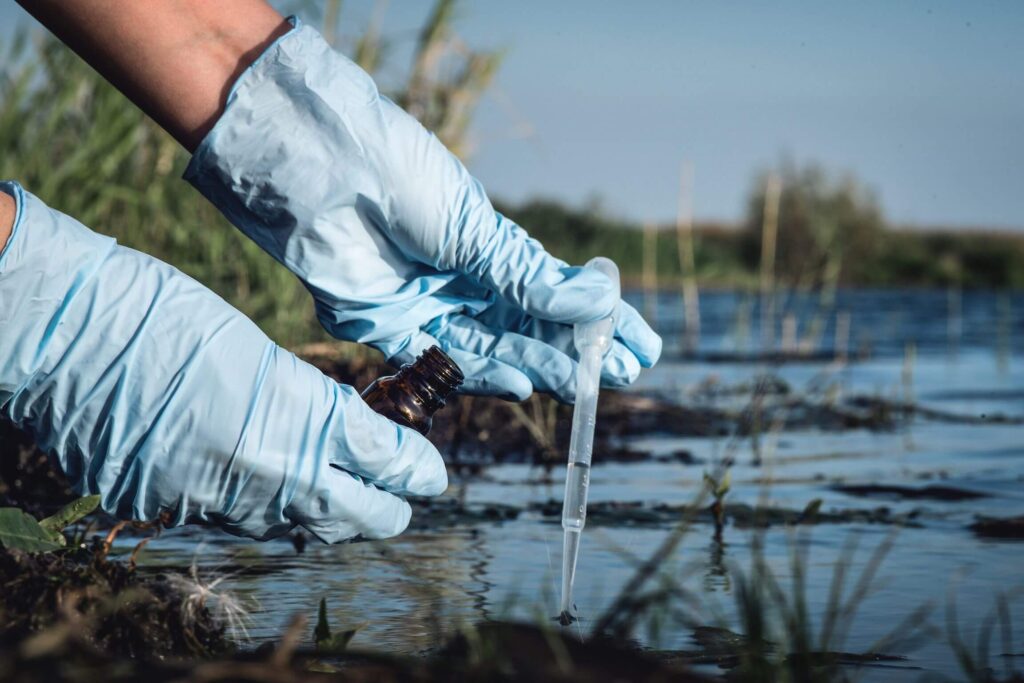
England is already one of the most nature-depleted countries in the world, with one in six species at risk of extinction. The combination of chemical pollution, the widespread use of pesticides, sewage dumping, and increasing air and light pollution is pushing many species to the brink of survival.
The research highlights the alarming impact of sewage and slurry pollution in rivers, which increases nutrient levels, leading to the excessive growth of algae and plants that choke aquatic life. Pesticides and chemicals further compound the problem, leaching into water systems and harming fish and invertebrates.
Air pollution, particularly nitrogen dioxide from car engines, is another significant threat. It affects approximately two-thirds of Britain’s native plant species and drastically reduces honeybees’ ability to recognise floral scents, making it difficult for them to forage effectively.
Meanwhile, light pollution is disrupting the behaviour of nocturnal wildlife, such as bats and moths, and confusing migrating birds.
The Post-Brexit Environmental Landscape
The situation has worsened since Brexit, with the UK now allowing more toxic chemicals and pesticides than when they were in the European Union. Water pollution regulations are also being loosened, further endangering England’s already fragile ecosystems.
Friends of the Earth is calling for urgent legislative action to reverse this trend. The environmental group is pushing for the introduction of an Environmental Rights Act, which would enshrine the right to a healthy environment into law and empower communities to hold polluters accountable.
A Rally for Action
Sienna Somers, a nature campaigner at Friends of the Earth, emphasised the need for stronger laws to protect both wildlife and public health.
“Successive governments have failed to protect our environment from pollution and ensure people can continue to enjoy the health and wellbeing benefits of thriving nature,” she said. “While we can choose to avoid these polluted waters, many precious species cannot steer clear of the pollution we pump into their living rooms.”
The proposed Environmental Rights Act would give communities the power to defend their local environments in court, creating a cleaner and healthier future for both people and wildlife.
As England faces this mounting environmental challenge, the question remains whether the government will take the decisive action needed to safeguard the nation’s natural heritage—or whether these polluted hotspots will continue to spread, putting even more species at risk of extinction.
How You Can Help
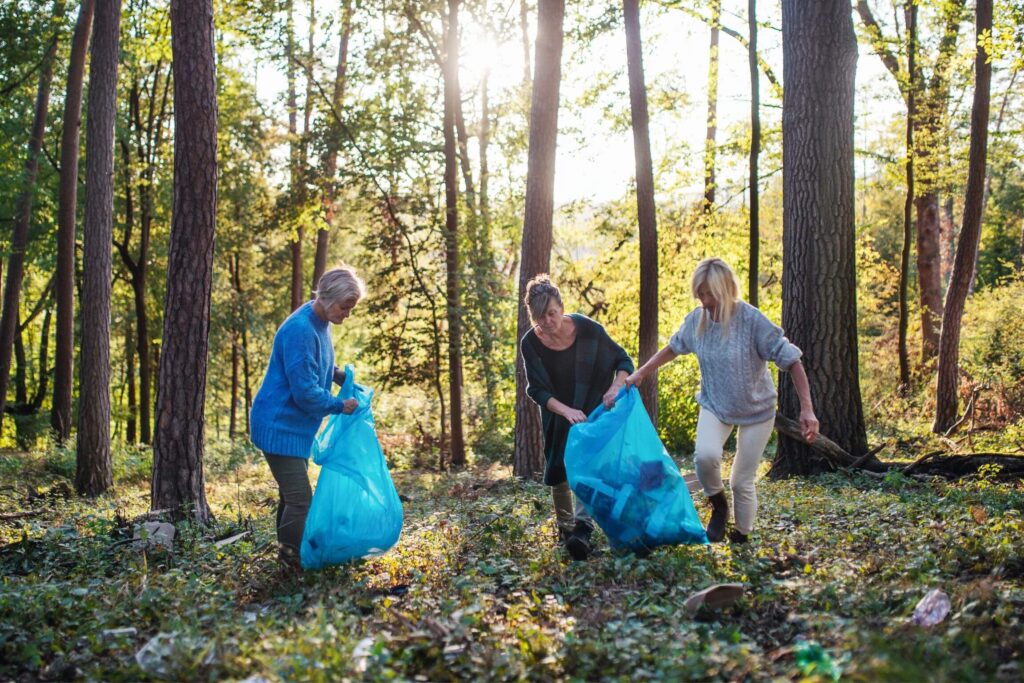
There’s no denying that this is an utterly depressing and alarming read. But you can make a difference in tackling the pollution crisis in England. Here are some ideas:
- Contact Your MP: Write to your local Member of Parliament to express concerns about pollution levels and urge them to support stronger environmental laws like the Environmental Rights Act.
- Reduce Your Pollution Footprint: Opt for public transport, reduce car usage, avoid single-use plastics, and support eco-friendly businesses.
- Support Environmental Groups: Donate to or volunteer with organisations like Friends of the Earth that are fighting pollution and protecting wildlife.
- Raise Awareness: Share information about the pollution crisis with your community through social media or local groups to inspire collective action.
- Join Local Clean-Up Efforts: Participate in or organise clean-up events to help reduce pollution in your area and improve the local environment.
As England grapples with this environmental crisis, the urgency for collective action becomes clear. Whether through stronger legislation or individual efforts, the time to protect our wildlife and natural habitats is now—before more species are lost forever.