
Amid growing concerns about biodiversity loss and the disconnect between young people and nature, the UK’s largest youth organisation, the Scouts Association, is stepping up with an ambitious new initiative: rewilding.
With a decent chunk of funding from our heroes over at Rewilding Britain, the Scouts are rolling out projects across their adventure centres in the UK this year, aiming to transform over 300 hectares of land into thriving natural habitats.
Here’s what to know about the Scouts rewilding project.
The Vision for Rewilding
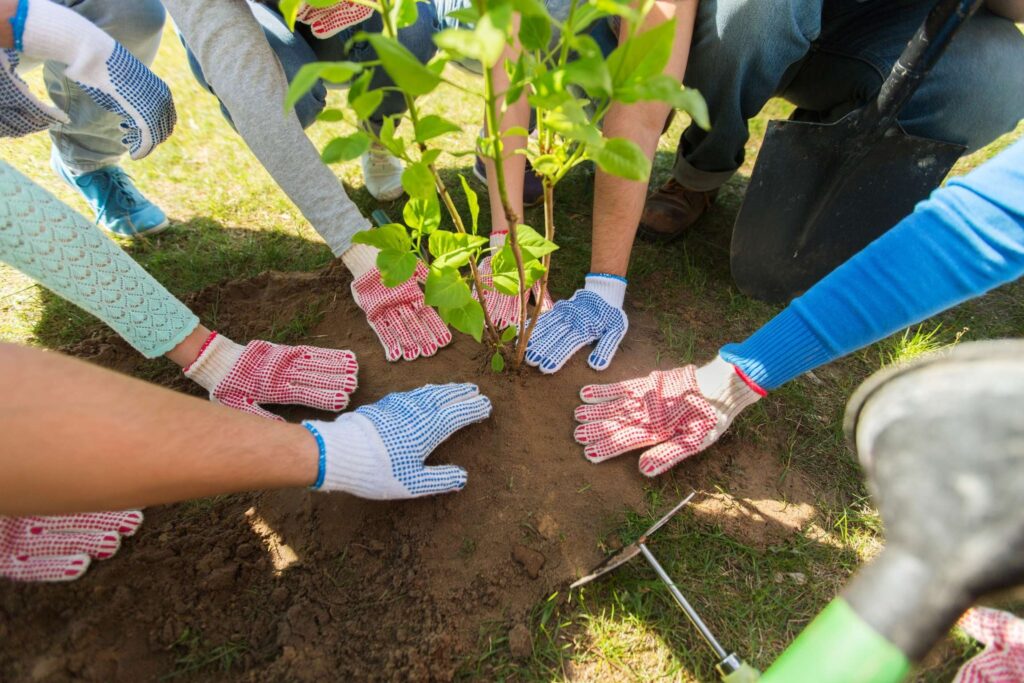
The term “rewilding” has gained significant traction in recent years, referring to efforts to restore ecosystems to their natural state, often by reintroducing native species or revitalising degraded landscapes. For the Scouts, this means turning their land into spaces that foster biodiversity while providing educational opportunities for young people.
Imagine a Scout group planting wildflower meadows, restoring wetlands, or monitoring bird populations in a newly rewilded area. These activities don’t just benefit the environment- they also give young people practical skills, a deeper appreciation for nature, and a sense of achievement that comes from making a tangible difference.
As Dwayne Fields, a Chief Scout says, the Scouts “always try to look after the environment we are in. Our young people are actively encouraged to learn about nature and the impact we have on it, now and in the future.“
Rewilding Sites and Planting Plans
The Scouts’ rewilding initiative encompasses 11 projects across various adventure centres in the UK. These sites, covering over 300 hectares, are being transformed into hubs of biodiversity. Some notable projects include:
Snowdonia Scout Adventure Centre: In this iconic national park, Scouts are working to restore native woodlands by planting species such as oak, birch, and rowan. These trees not only enhance the landscape but also provide habitats for local wildlife, including birds and insects.
Lake District Scout Adventure Centre: Here, efforts are focused on creating wildflower meadows to support pollinators. Scouts are sowing seeds of native wildflowers like red clover, knapweed, and oxeye daisy, which attract bees, butterflies, and other beneficial insects.
Across various centres, Scouts are involved in activities such as:
- Hedgerow Planting: Establishing hedgerows using hawthorn, blackthorn, and hazel to create wildlife corridors.
- Wetland Restoration: Reintroducing plant species like reedmace and yellow flag iris to revitalise wetland areas.
- Grassland Management: Encouraging the growth of native grasses and wildflowers to support diverse ecosystems.
These projects are designed not only to restore natural habitats but also to serve as living classrooms where Scouts can learn about ecology, conservation, and the importance of biodiversity.
Why It Matters: Tackling the UK’s Nature Crisis
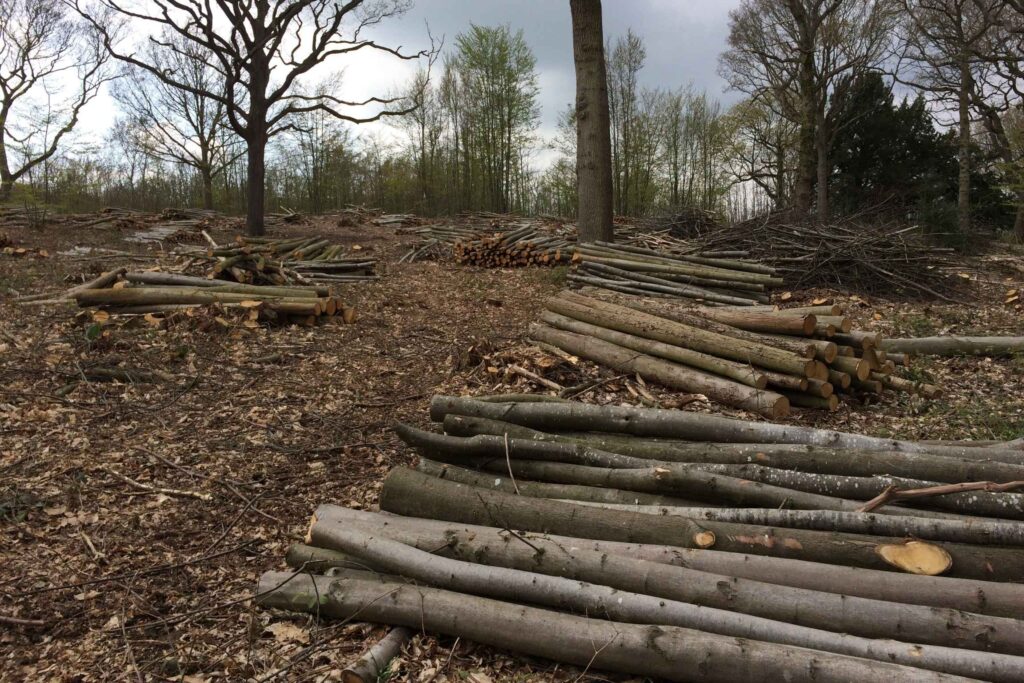
The importance of initiatives like this cannot be overstated. By rewilding their adventure centres, the Scouts are addressing an urgent need in a country that ranks as one of the most nature-depleted in the world.
The State of Nature report (2023) reveals that the UK has lost nearly half of its biodiversity since the Industrial Revolution, leaving many young people disconnected from the natural world. These projects aim to bridge that gap by inspiring a lifelong connection with the environment.
Studies show that spending time in nature improves mental health, boosts creativity, and fosters a sense of responsibility towards the environment. Yet, many young people today have limited access to wild spaces, particularly those living in urban areas.
By rewilding their adventure centres, the Scouts are creating safe, accessible, and biodiverse spaces where young people can experience natural education firsthand. These projects aim to inspire a lifelong connection with the environment – something that’s increasingly vital as the next generation faces the challenge of tackling climate change and ecological collapse.
The Scale of the Project
With funding of £150,000 from Rewilding Britain, the Scouts are contributing towards the broader ’30 by 30′ target set out by the government in 2023.
This national goal aims to restore biodiversity by protecting at least 30% of the UK’s land and sea by 2030. Through rewilding projects across their adventure centres, the Scouts are playing an active role in achieving this vision.
Their chosen rewilding sites, which cover hundreds of hectares across the UK, are being transformed into hubs of biodiversity. The projects include planting native species, creating habitats for pollinators, and ensuring that wildlife can thrive in areas previously dominated by human activity.
What It Means for the Future
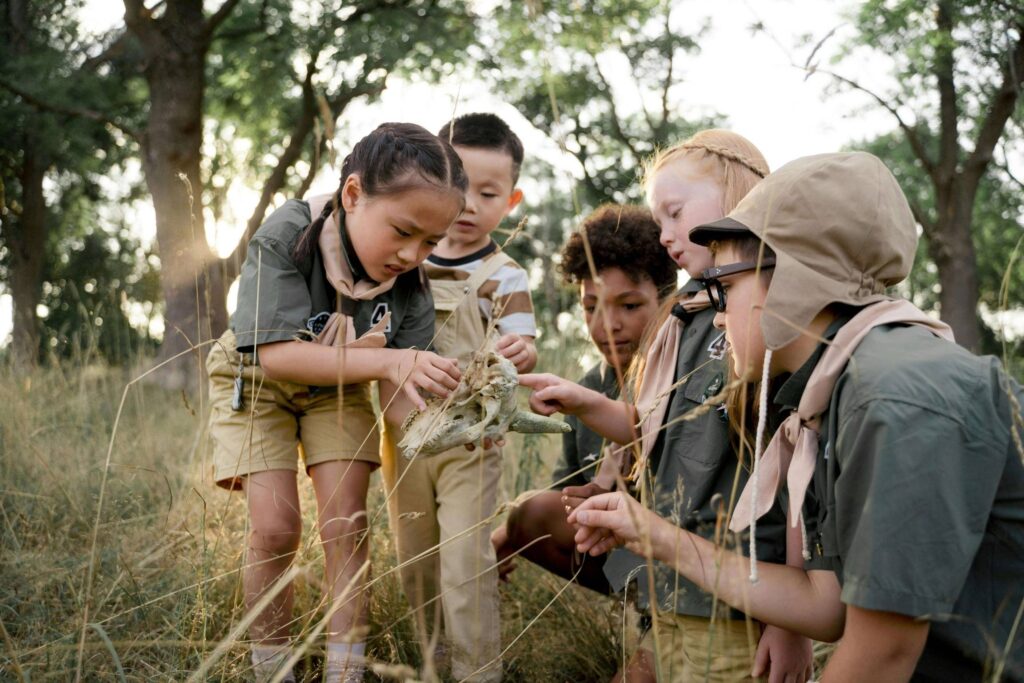
The Scouts rewilding project sets a strong example of how organisations can combine education, conservation, and action.
It’s not just about planting trees or restoring habitats either – it’s about fostering a mindset of care and responsibility that will ripple outwards into families, schools, and communities. Projects like this show that rewilding isn’t just for scientists or conservationists – it’s something we can all participate in.